


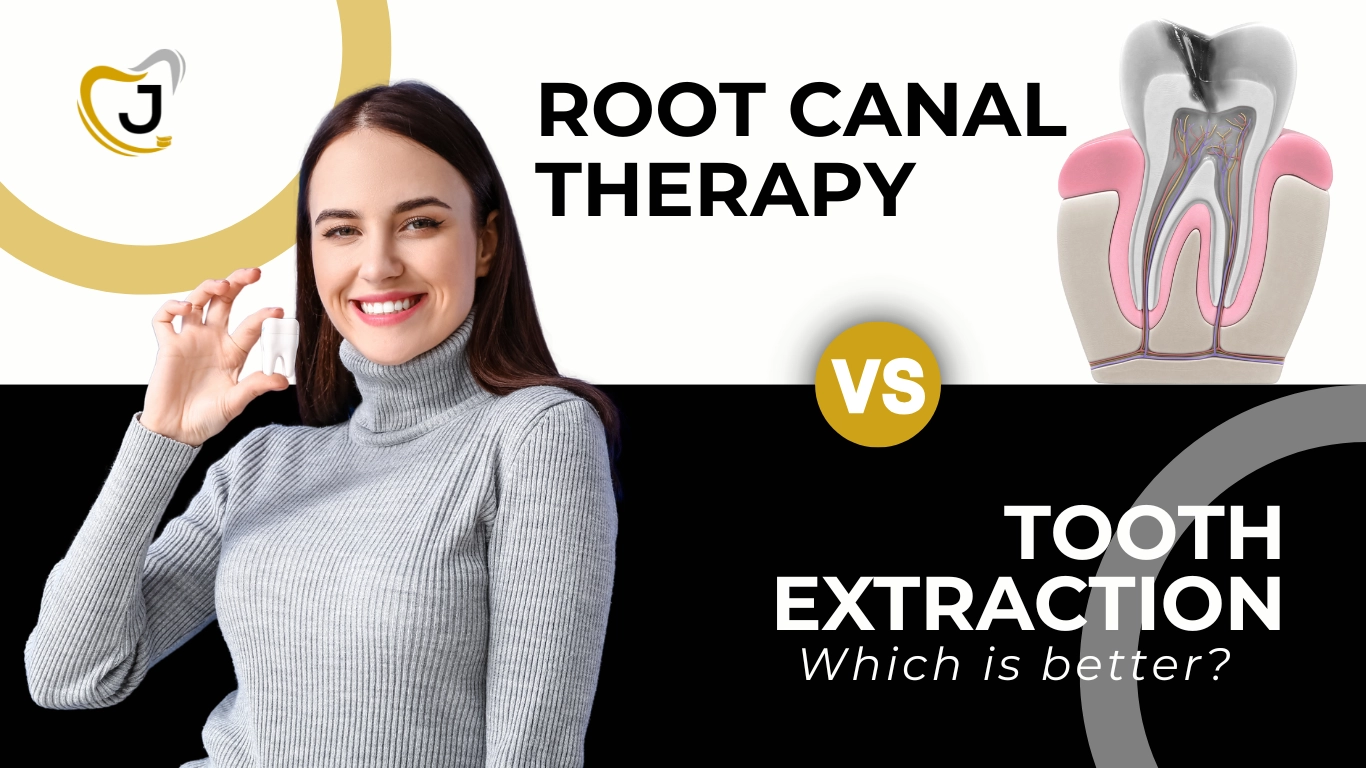
Root Canal vs Tooth Extraction: Which is Better? in Hialeah, FL
Experiencing tooth pain, sensitivity, or swelling can be alarming. These symptoms are often signs that a tooth may need treatment, but many patients wonder: should I get a root canal or a tooth extraction? Knowing the differences, benefits, and types of each procedure can help you make an informed decision without stress. At J Family Dental in Hialeah, FL, Dr. Joelyz Patino and Dr. Navarrete prioritize patient comfort and education to ensure your dental health is in safe hands. Call (305) 558-6832 to schedule your appointment.
Signs You May Need Dental Treatment:
- Persistent tooth pain or throbbing
- Swelling of gums or face
- Sensitivity to hot or cold foods
- Darkening or discoloration of a tooth
- Gum infections or abscesses
Ignoring these symptoms can worsen infection and lead to more complex procedures. Early intervention can save your natural tooth and prevent unnecessary pain.
Root Canal Therapy
Root canal therapy is a treatment designed to save a tooth that is severely infected or damaged. The procedure involves removing the infected pulp inside the tooth, cleaning the canal, and sealing it to prevent further infection.
Types of Root Canal Treatments:
- Conventional Root Canal: For permanent teeth with infected or inflamed pulp.
- Apicoectomy (Surgical Root Canal): Recommended if a previous root canal has failed or infection persists at the root tip.
- Pulpotomy: Often done for children or temporary cases where only part of the pulp is affected.
Benefits of Root Canal Therapy:
- Preserves your natural tooth
- Maintains proper bite and chewing function
- Prevents jawbone loss
- Minimizes future dental costs compared to extraction and replacement
Tooth Extraction
Tooth extraction involves removing a tooth completely from its socket. While sometimes necessary, extractions are usually considered a last resort if the tooth cannot be saved.
Types of Tooth Extractions:
- Simple Extraction: For visible teeth using local anesthesia.
- Surgical Extraction: For impacted teeth or teeth broken below the gum line.
- Wisdom Tooth Extraction: Common for problematic third molars causing pain or crowding.
Benefits of Tooth Extraction:
- Removes infection or severely damaged teeth
- Prevents infection from spreading
- Provides a solution when restorative procedures are not feasible
Root Canal vs Tooth Extraction: Which is Better?
While both procedures address dental pain and infection, the best option depends on the tooth’s condition and your oral health goals:
- Root Canal Therapy: Ideal if the tooth can be saved, helps maintain natural function, and avoids gaps.
- Tooth Extraction: Necessary when the tooth is beyond repair, fractured, or severely decayed. Replacement options like dental implants, bridges, or dentures can restore function after extraction.
Recovery and Aftercare:
- Root Canal: Usually minimal discomfort; soft diet recommended for a few days; pain managed with OTC medications.
- Extraction: Slight swelling and discomfort; follow prescribed care instructions; consider tooth replacement for long-term oral health.
At J Family Dental, we focus on patient comfort and clear communication to remove anxiety. Our team will explain your options, the type of procedure needed, and the recovery process in detail. You’ll leave with confidence and understanding, not fear.
Contact J Family Dental Today:
For a thorough evaluation and expert care, call (305) 558-6832 to schedule your appointment with Dr. Joelyz Patino or Dr. Navarrete. Your smile and oral health are our priority.
5 FAQs
- Does a root canal hurt? No, local anesthesia ensures the procedure is painless.
- How long does a root canal take? Typically 1–2 visits, each lasting about 60–90 minutes.
- Can I live without a tooth after extraction? Yes, but replacements like implants or bridges are recommended to maintain oral health.
- Is tooth extraction faster than a root canal? Extractions are usually quicker, but root canals save your natural tooth.
- How do I know which procedure I need? Only a dentist evaluation, X-rays, and examination can determine the best option.